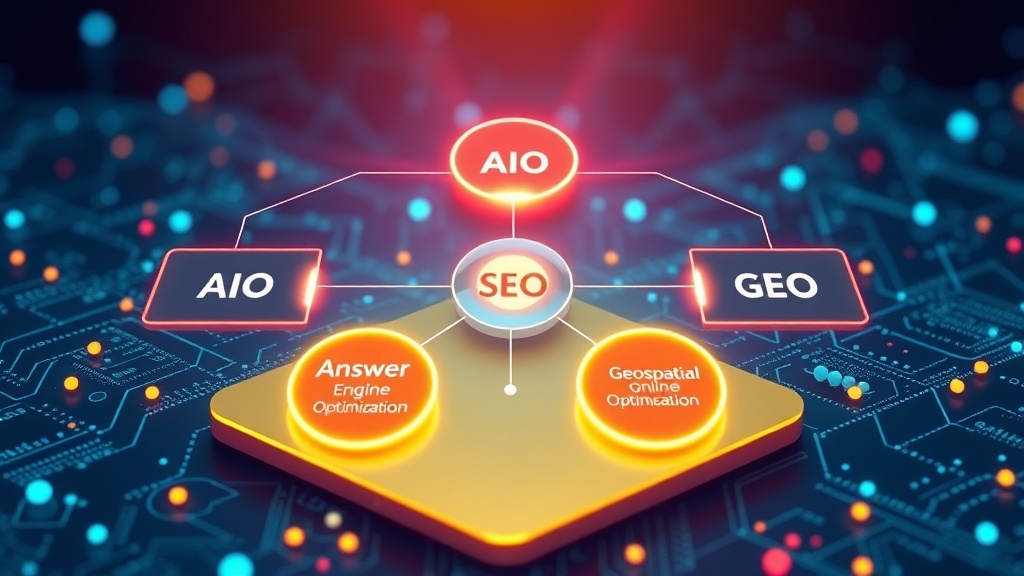
As artificial intelligence continues to redefine how we interact with information, a significant shift is occurring in the digital marketing arena — a shift from traditional Search Engine Optimization (SEO) to a broader, more dynamic approach commonly referred to as AI Optimization or Answer Engine Optimization (AEO). For decades, SEO has been the bedrock of online visibility strategies, focusing on ranking web pages higher in search engine results based on keywords, backlinks, and technical website factors. However, the explosion of advanced AI-driven technologies such as chatbots, voice assistants, and AI-powered search engines is transforming user behavior and expectations, challenging marketers to rethink how they optimize content for discovery and engagement.
This evolution is not simply a technology upgrade but a profound transformation in the user search experience itself. Whereas SEO traditionally targets users navigating through a list of links and snippets, AI-powered search prioritizes delivering concise, direct answers within the search interface, often removing the need for a user to click through. This shift underscores a new digital reality where AI engines summarize, synthesize, and present information from multiple sources instantly, based on natural language queries that increasingly resemble everyday conversation. These developments highlight the importance of structuring content not just to rank but to be directly featured and cited by AI systems — marking the rise of AI Optimization as a vital complement to, or even successor of, traditional SEO strategies.
Understanding AI Optimization goes beyond recognizing its existence; it requires grasping how user intent, content architecture, and search algorithms have evolved. Modern AI systems use machine learning and natural language processing to interpret the meaning behind queries rather than simply matching keywords. They focus on relevance, authority, clarity, and contextual understanding, blending vast amounts of data to serve personalized, real-time responses. As users increasingly engage with voice assistants like Alexa and Siri or chat-based AI models for quick answers, the optimization landscape must adapt to prioritize structured, scannable content that can be consumed directly in AI-generated responses.
The transition toward AI-driven search is not without its challenges or opportunities. Marketers are now tasked with striking a delicate balance — continuing to cultivate traditional SEO strengths that ensure long-term organic traffic and domain authority, while simultaneously embracing AI Optimization techniques that focus on precision, brevity, and direct answer delivery. This dual strategy calls for new skills, tools, and mindsets to harness AI’s ability to analyze huge datasets instantly, predict emerging search trends, and personalize user journeys with unprecedented agility. These capabilities are reshaping how brands approach content creation, technical website enhancements, and off-site reputation building.
In this landscape, AI Optimization is more than a buzzword; it represents a revolutionary framework for future-proofing digital marketing strategies. Organizations that master this integration of SEO fundamentals with AI-driven optimization stand to gain a competitive edge in visibility, trust, and user engagement in an increasingly automated and conversational search ecosystem. As we delve deeper into this topic, it is crucial to explore how AI Optimization differentiates itself, the emerging best practices, and the evolving metrics of success that digital marketers must embrace to thrive in the new era of search.
The Evolution of Search: From SEO to AI Optimization
The traditional SEO approach has long centered on optimizing web pages to rank higher in search engine results by focusing on keywords, backlinks, site performance, and user experience. This methodology aimed to capture user attention by improving visibility in search engine results pages (SERPs) and driving organic traffic through clickable links. While this remains important, the digital search ecosystem has shifted dramatically with the advent of AI-powered tools.
AI Optimization expands on SEO by targeting how AI technologies comprehend and present information. Unlike SEO, which optimizes for site rankings and click-throughs, AI Optimization centers on making content easily extractable and usable by AI-powered answer engines. These engines, integrated into virtual assistants and chatbots, prioritize concise, direct answers over extensive web pages. This requires a fundamental rethinking of content structure — breaking down information into precise, standalone answer blocks, anticipating follow-up questions, and employing structured data such as schema markup to enhance AI readability.
Moreover, AI Optimization addresses the rise of voice search and conversational queries, which tend to be longer, more natural in language, and context-rich. Where SEO traditionally relied on keyword matching, AI systems work to understand the intent and entities behind queries to deliver highly relevant responses. This shift compels digital marketers to align their strategies with semantic search principles, optimizing for topics and themes instead of isolated keywords alone.
As AI models like ChatGPT, Google Gemini, and Bing Copilot continue to mature, their influence over how users discover information grows. AI-driven results often feature a single synthesized answer sourced from multiple websites, credited and sometimes linked, rather than presenting a ranked list of pages. This emerging paradigm necessitates a dual approach where marketers not only optimize for organic ranking but also craft their content to be cited and featured directly in AI-generated responses, representing a substantial evolution from SEO’s traditional scope.
Differences Between SEO and Answer Engine Optimization (AEO)
Although SEO and AEO share some foundational principles, they diverge significantly in objectives, execution, and metrics. SEO’s primary purpose is to increase website traffic by improving rankings through targeting specific keywords, optimizing meta tags, backlinks, and user experience. The success of SEO campaigns is typically measured by organic traffic growth, keyword rankings, and click-through rates.
AEO, often regarded as a subset or evolution of SEO within the AI-driven landscape, focuses on maximizing the inclusion of content in AI answers and voice assistant responses. Instead of optimizing for click-based traffic, AEO aims to have content cited as a direct answer, frequently displayed above or instead of traditional search results. This entails restructuring content to deliver clear, concise, factually rich snippets that AI algorithms can easily parse and present.
AEO’s target platforms differ as well. While SEO optimizes primarily for Google, Bing, and other traditional search engines, AEO targets AI-powered interfaces such as ChatGPT, Google’s AI overviews, and smart voice assistants. This shift requires technical adjustments like enhanced schema markup, transparent content sourcing, and anticipation of conversational user intents that often involve multiple iterative queries.
Key strategic contrasts include:
- Content Focus: SEO builds comprehensive pages filled with keyword-rich text, while AEO concentrates on specific answer fragments optimized for direct extraction.
- User Behavior: SEO encourages users to visit websites to consume content, thereby facilitating lead generation and conversions; AEO delivers information within AI platforms, which may reduce website visits but increase brand authority and trust.
- Success Metrics: SEO evaluates success via rankings and traffic data, whereas AEO measures visibility through mentions, citations, and the frequency with which AI systems rely on the content.
Together, SEO and AEO form complementary strategies—SEO lays the foundation of authoritative, well-structured content, and AEO refines it to meet the demands of AI-driven search consumption.
How AI Is Reshaping SEO Practices
The integration of AI into search engines and digital marketing tools has fundamentally altered traditional SEO tactics. Whereas SEO once mainly emphasized keyword density and backlink quantity, AI’s capabilities have shifted the focus toward quality, context, and topical authority. Modern AI-powered algorithms interpret the semantic meaning of queries, prioritize user search intent, and personalize results based on behavior, location, and preferences, transforming how rankings are determined.
This evolution calls for a more sophisticated approach to content creation and optimization. Marketers must now invest in producing in-depth, valuable content that addresses nuanced user needs and connects topic clusters through cross-linking and entity recognition. AI tools also enable greater automation and insight generation, helping marketers conduct in-depth competitor analysis, optimize meta descriptions dynamically, and identify emerging search trends much faster than manual methods.
Moreover, AI enhances technical SEO by enabling predictive optimization. For example, machine learning models can forecast which keywords and topics will gain traction, allowing marketers to create timely content and stay ahead. Automated tools improve schema implementation and monitor site health continuously, ensuring rapid adaptation to search engine updates.
Businesses adopting AI-driven SEO strategies typically experience improved efficiency, deeper data insights, and higher-quality user engagement. This does not diminish the importance of traditional SEO fundamentals, but enhances them by focusing on user value and relevance, hallmarks of AI-powered search engines’ evaluation criteria.
AI Tools and Their Impact on SEO Workflow
AI-powered SEO tools are revolutionizing workflows by automating repetitive tasks and providing strategic insights. Tools leveraging natural language processing assist in keyword research, content optimization, and competitive analysis at unparalleled speeds. They can generate content outlines, suggest semantically related terms, and evaluate readability, ensuring content aligns with both human preferences and AI algorithm requirements.
Furthermore, AI analytics platforms analyze traffic patterns and user engagement to tailor SEO strategies in real-time, facilitating agile content updates and focused link-building campaigns. This integration allows marketers to prioritize high-impact actions, reduce guesswork, and continuously refine their approach to maintain search visibility amid rapidly changing algorithms.
Strategies for Effective AI Optimization
To succeed in AI Optimization, marketers must adapt their content strategies to meet the expectations of AI-driven platforms while preserving the benefits of traditional SEO. A multifaceted content approach is essential—one that balances depth with clarity and breadth with specificity.
Key strategies include structuring content into clear, answer-ready segments that respond directly to common user questions. This can involve creating FAQ sections, bulleted summaries, and concise definitions that AI systems can easily extract. Employing structured data and schema markup is critical to enhance AI readability and contextual understanding of the content’s purpose.
Building topical authority through comprehensive content hubs, interconnected by semantic relevance, helps establish expertise and trustworthiness—a vital factor for AI systems when selecting citation sources. Additionally, maintaining up-to-date content ensures freshness, which AI algorithms increasingly prioritize.
Off-site optimization extends beyond traditional backlinking to include entity prominence by securing mentions in authoritative online communities, partnerships, and knowledge bases. This approach signals credibility and reinforces brand authority in relevant subject areas, increasing the likelihood of AI citation.
Implementing Technical and Content Layer Synergies
Effective AI Optimization requires seamless integration of technical SEO and content strategy. Technically, websites must be fully crawlable with clean URLs, fast loading speeds, and canonicalization to avoid duplication issues. Structured data schemas must be carefully applied to describe different content types, such as articles, products, reviews, and Q&A formats.
On the content side, the focus should be on producing clear, brand-consistent messaging that anticipates user questions and provides unambiguous, accurate responses. Trust signals like author credentials, external citations, and transparent sourcing are crucial to establish reliability and gain AI platform trust.
This synergistic approach maximizes not just traditional search ranking potential but also AI-driven visibility, thereby future-proofing content for evolving search paradigms.
The Next Frontier: Preparing for AI-Driven Search Realities
As AI technologies advance, the distinction between traditional SEO and AI Optimization will continue to blur, leading toward a more integrated digital marketing discipline centered on user intent, content clarity, and authoritative presence. Marketers who anticipate this wave will invest in building both foundational organic search strength and AI-friendly content architectures capable of adapting to increasingly conversational and personalized search experiences.
Future developments may introduce more transparency in AI result analytics and new tools designed specifically to monitor AI citations and conversational search performance. This will empower marketers to refine their strategies with data-driven precision and adapt rapidly to evolving AI algorithms.
Moreover, the growing reliance on AI assistants to guide customer journeys before, during, and after search interactions will demand richer personalization and responsiveness in content delivery, Beyond mere optimization, success will depend on the ability to craft engaging, trust-building user experiences powered by sophisticated AI insights.
Ultimately, AI Optimization is not just the next iteration of SEO but a broader framework that envelops traditional techniques while pushing digital marketing into an era where intelligence, adaptability, and clarity define online success. Marketers embracing this paradigm will shape the future landscape of online discovery and user engagement.