In an era defined by unprecedented technological acceleration and complex global challenges, the landscape of leadership is undergoing a profound transformation. Leaders are increasingly grappling with a fundamental dichotomy: the timeless value of human wisdom, characterized by intuition, empathy, and ethical judgment, versus the transformative power of machine precision, driven by data, algorithms, and automation. This article delves into the distinct strengths of both paradigms, explores their potential areas of conflict and synergy, and ultimately outlines a strategic framework for finding the ‘sweet spot’ where human insight and artificial intelligence converge to forge a new, more effective model of leadership. Navigating this intersection is not merely an operational challenge but a strategic imperative for organizations aiming to achieve sustainable growth and resilience in the digital age.
The Inherent Power of Human Wisdom in Leadership
Human wisdom in leadership encompasses emotional intelligence, ethical reasoning, and the ability to navigate ambiguity, offering a holistic perspective often inaccessible to algorithms. It is crucial for fostering culture, inspiring teams, and making nuanced decisions that consider human values and long-term societal impact, thereby guiding an organization’s moral compass.
Emotional Intelligence and Empathy as Cornerstones
Human wisdom is inextricably linked to emotional intelligence (EQ), a critical attribute enabling leaders to understand and manage their own emotions, as well as perceive and influence the emotions of others. Empathy allows leaders to connect with team members, stakeholders, and customers on a deeper level, fostering trust, collaboration, and psychological safety within the organizational ecosystem. This capability is essential for conflict resolution, motivation, and building resilient teams, aspects where algorithms inherently fall short. The leader’s ability to sense the unspoken, to understand context, and to respond with genuine human understanding drives employee engagement and commitment far more effectively than any data-driven metric.
Ethical Judgment and Values-Based Decision Making
At its core, leadership involves making decisions that align with an organization’s values, ethical frameworks, and societal responsibilities. Human wisdom provides the moral compass necessary for this task, enabling leaders to weigh complex trade-offs, anticipate unintended consequences, and prioritize long-term societal well-being over short-term gains. Issues such as data privacy, algorithmic bias, and environmental sustainability demand a leader’s nuanced ethical judgment, which cannot be automated. This involves critical thinking, philosophical reasoning, and an understanding of human rights and justice principles, ensuring that technological advancements serve humanity’s best interests.
Navigating Ambiguity and Complex Human Dynamics
Real-world leadership frequently involves situations characterized by high ambiguity, incomplete information, and rapidly evolving human dynamics. Human wisdom, informed by experience and adaptive learning, allows leaders to interpret vague signals, formulate hypotheses, and make courageous decisions in the absence of clear data. This tacit knowledge and situational awareness are vital for strategic foresight, crisis management, and driving organizational change, especially when dealing with human resistance or cultural shifts. The ability to read a room, understand political undercurrents, and adapt communication styles dynamically remains a uniquely human strength.
The Irrefutable Efficacy of Machine Precision
Machine precision, leveraging artificial intelligence and big data, excels at processing vast datasets, identifying patterns, and executing tasks with unparalleled accuracy and speed. It provides objective insights, automates repetitive processes, and generates predictive models, significantly enhancing operational efficiency, reducing cognitive biases, and offering data-driven foundations for strategic decision-making.
Unlocking Insights with Advanced Analytics and Big Data
The proliferation of big data and advanced analytical tools, including machine learning and deep learning algorithms, has revolutionized how leaders gain insights. Machine precision can process terabytes of information in seconds, identifying subtle correlations, anomalies, and trends that would be impossible for humans to discern. Predictive analytics can forecast market shifts, customer behavior, and operational bottlenecks, providing a robust empirical basis for strategic planning and resource allocation. This objective, data-driven perspective significantly reduces reliance on gut feelings and cognitive biases, offering a clearer picture of complex business environments.
Streamlining Operations Through Automation and AI
Robotic process automation (RPA) and artificial intelligence are instrumental in automating repetitive, rule-based tasks across various functions, from finance and HR to supply chain management. This operational efficiency frees up human capital for more creative, strategic, and empathy-driven work. AI-powered systems can manage complex schedules, optimize logistics, and personalize customer interactions at scale, leading to significant cost reductions and improved service delivery. The consistent execution and tireless nature of intelligent automation contribute directly to increased productivity and operational resilience, allowing for greater organizational agility.
Mitigating Bias and Enhancing Objectivity
While algorithmic bias is a critical concern, properly designed machine learning models can help leaders identify and mitigate human biases in decision-making processes. By providing objective data points and standardized evaluation criteria, AI can promote fairness in areas like talent acquisition, performance reviews, and resource distribution. The objectivity of algorithmic decision-making, when coupled with human oversight, can lead to more equitable and transparent outcomes, reducing the impact of unconscious prejudices that can subtly undermine organizational effectiveness and culture. This data-backed objectivity supports a merit-based system.
The Imperative of Integration: Beyond the Dichotomy
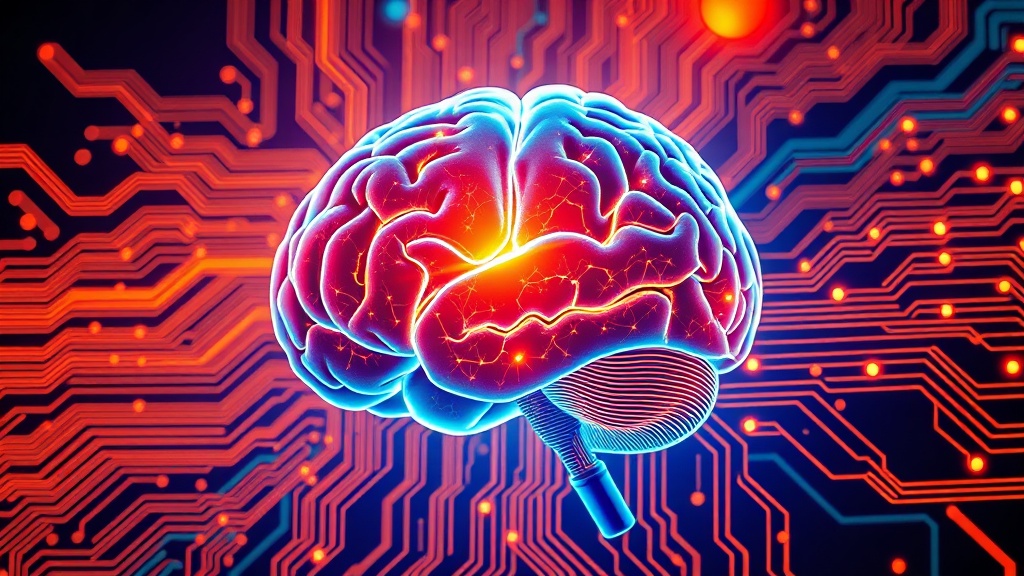
Integrating human wisdom and machine precision creates augmented intelligence, where technology extends human capabilities rather than replacing them. This approach recognizes that the most powerful solutions arise from collaborative AI systems, where leaders leverage data-driven insights while applying their unique emotional intelligence and ethical judgment to achieve superior outcomes and foster human-in-the-loop decision-making processes.
Defining Augmented Intelligence in a Leadership Context
Augmented intelligence is the synergistic partnership between human intellect and artificial intelligence, where AI enhances human cognitive abilities rather than acting as a standalone replacement. In leadership, this means using AI tools for data analysis, pattern recognition, and predictive modeling, but reserving the ultimate decision-making authority and responsibility for human leaders. For example, a leader might use a machine learning model to identify potential market opportunities, but their wisdom determines which opportunities to pursue based on organizational values, risk tolerance, and long-term vision. This hybrid intelligence model leverages the strengths of both entities.
The Role of Human-in-the-Loop Systems
Human-in-the-loop (HITL) systems are crucial for ensuring the ethical and effective deployment of AI in leadership. These systems are designed to involve human judgment at critical junctures, particularly when facing complex, ambiguous, or ethically sensitive decisions. For instance, an AI might flag unusual financial transactions, but a human expert makes the final call on fraud detection after reviewing context and nuances. This continuous feedback loop allows algorithms to learn from human corrections and refine their precision, while humans benefit from the AI’s speed and analytical power, ensuring accountability and preventing autonomous systems from making unvetted high-stakes decisions.
Cultivating a Culture of Data Literacy and Critical Thinking
For successful integration, leaders must foster a culture where data literacy is paramount, enabling employees at all levels to understand, interpret, and critically evaluate data-driven insights. This involves training in data analytics, statistical reasoning, and an understanding of algorithmic limitations. Leaders must also encourage critical thinking to question AI outputs, identify potential biases, and apply human judgment when algorithms produce counter-intuitive or ethically questionable recommendations. This balanced approach ensures that technology remains a tool serving human objectives, rather than an unexamined master, building confidence in a digital transformation strategy.
Strategies for Synthesizing Human and Machine Strengths
Synthesizing human and machine strengths involves developing hybrid intelligence frameworks, leveraging predictive analytics for strategic foresight, and implementing explainable AI (XAI) to build trust. These strategies empower leaders to create a symbiotic relationship, where technology informs and expands human capabilities, leading to more robust, ethical, and adaptive decision-making across the organization.
Developing Hybrid Intelligence Frameworks
To effectively blend human wisdom and machine precision, organizations must develop explicit hybrid intelligence frameworks. These frameworks define the roles of humans and AI in various decision-making processes, establishing clear protocols for data interaction, analysis, and final judgment. This might involve creating ‘fusion teams’ where data scientists collaborate directly with business leaders, or designing decision support systems that present AI-generated insights alongside qualitative human intelligence. The goal is to build a cohesive ecosystem where each component complements the other, enhancing overall strategic agility and operational effectiveness. A structured approach ensures systematic integration.
| Attribute | Human Strengths | Machine Strengths |
|---|---|---|
| Decision-Making | Ethical judgment, intuition, ambiguity navigation, empathy | Data processing, pattern recognition, predictive modeling, speed |
| Creativity | Ideation, innovation, abstract thinking, artistic expression | Generative design, combinatorial optimization, content creation (template-based) |
| Adaptability | Learning from novel situations, cultural understanding, flexible strategy | Rapid processing of new data, optimized algorithms, scaling efficiency |
| Relationships | Trust building, motivation, conflict resolution, emotional connection | Personalized interactions (at scale), sentiment analysis, automated support |
| Bias Handling | Self-reflection, ethical oversight, values-based correction | Identification of statistical biases, objective data aggregation, standardized metrics |
Leveraging Predictive Analytics for Strategic Foresight
Leaders can harness predictive analytics to gain unparalleled strategic foresight. By analyzing vast historical datasets and real-time information, machine learning models can forecast future trends with greater accuracy than traditional methods. This allows leaders to anticipate market shifts, identify emerging risks, and proactively capitalize on opportunities. For instance, a retail leader might use predictive models to optimize inventory management based on seasonal demand forecasts, while a healthcare leader could predict disease outbreaks. However, human wisdom is essential to interpret these forecasts within the broader geopolitical, social, and competitive landscape, translating data into actionable, contextually relevant strategies.
Implementing Explainable AI (XAI) for Trust and Transparency
One of the biggest challenges in integrating AI into leadership is the ‘black box’ problem, where the reasoning behind an AI’s output is opaque. Explainable AI (XAI) addresses this by designing AI systems that can articulate their decisions, underlying logic, and confidence levels in an understandable way. Implementing XAI is crucial for building trust among leaders and employees, enabling them to validate AI recommendations, identify potential flaws or biases, and learn from the insights generated. This transparency fosters greater acceptance of AI tools and ensures that leaders maintain ultimate accountability, transforming complex algorithmic outcomes into digestible intelligence that supports informed human decision-making and reinforces compliance requirements.
Practical Applications and Real-World Scenarios
The sweet spot for human wisdom and machine precision is evident in various practical applications, from optimizing resource allocation and enhancing talent management to driving customer-centric innovation. By blending data-driven efficiency with empathetic, strategic oversight, organizations can achieve superior operational performance, cultivate stronger employee engagement, and deliver highly personalized customer experiences, fostering competitive advantage.
Optimizing Resource Allocation and Project Management
In project management and resource allocation, machine precision excels at optimizing complex schedules, identifying critical paths, and forecasting potential delays based on vast historical project data. AI-powered algorithms can allocate resources more efficiently, considering factors like skill sets, availability, and project dependencies. However, human wisdom is indispensable for managing unforeseen risks, motivating project teams, resolving interpersonal conflicts, and making strategic adjustments when project scopes inevitably shift. Leaders leverage AI for granular efficiency while applying their experience to maintain project momentum and team morale, ensuring successful delivery of enterprise initiatives.
Enhancing Talent Management and Employee Experience
Machine precision can significantly enhance talent management by automating recruitment screening, identifying skill gaps through learning analytics, and predicting attrition risks. AI-driven platforms can personalize learning pathways and career development opportunities. Yet, human wisdom in HR leadership is vital for empathetic coaching, fostering inclusive workplace cultures, designing equitable compensation structures, and resolving sensitive employee relations issues. Leaders must use AI insights to inform, not dictate, their approach to human capital, ensuring that technology supports a thriving employee experience and aligns with the organization’s broader talent strategy, upholding human dignity and professional development.
Driving Customer-Centric Innovation and Market Responsiveness
AI and machine learning tools can analyze vast amounts of customer data, social media sentiment, and market trends to identify unmet needs, predict future demand, and personalize product recommendations. This enables data-driven innovation and rapid market responsiveness. However, human wisdom, particularly design thinking and empathy, is crucial for translating these data points into truly innovative products and services that resonate deeply with customers’ emotional needs and aspirations. Leaders combine algorithmic insights with creative vision and a deep understanding of human psychology to create compelling value propositions and cultivate lasting customer loyalty, driving genuine market disruption.
The Future of Leadership: A Synergistic Paradigm
The future of leadership lies in a synergistic paradigm where human intuition guides machine intelligence, and machine precision augments human capacity. Leaders will become orchestrators of hybrid intelligence, focusing on strategic oversight, ethical governance, and fostering continuous learning. This evolution necessitates upskilling leaders to understand and effectively leverage AI, while establishing robust data governance and ethical guidelines to ensure responsible technological deployment.
Upskilling Leaders for the Augmented Era
For leaders to thrive in this augmented era, continuous upskilling is paramount. This goes beyond basic data literacy, extending to an understanding of artificial intelligence principles, machine learning capabilities, and the ethical implications of AI deployment. Leaders must learn to formulate effective questions for AI systems, interpret complex analytical outputs, and integrate these insights into their strategic decision-making frameworks. Training programs should focus on fostering ‘AI fluency’ and critical data evaluation skills, equipping leaders to effectively collaborate with intelligent systems and lead digital transformation initiatives, understanding the digital twins that replicate physical processes.
Establishing Robust Data Governance and Ethical AI Guidelines
As organizations increasingly rely on machine precision, establishing robust data governance frameworks and ethical AI guidelines becomes non-negotiable. Leaders are responsible for ensuring data quality, privacy, security, and compliance with regulations like GDPR and CCPA. Furthermore, they must proactively develop ethical principles for AI development and deployment, addressing issues such as algorithmic bias, accountability, and transparency. This involves creating interdisciplinary committees, fostering ethical AI dialogues, and implementing explainable AI (XAI) solutions to ensure that technology serves human values and societal good, maintaining public trust and regulatory adherence.
The journey to finding the sweet spot between human wisdom and machine precision in leadership is not a destination but an ongoing evolution. It demands a forward-thinking mindset, a commitment to continuous learning, and a willingness to embrace change. The most effective leaders of tomorrow will not be those who choose one over the other, but those who master the art of blending both, leveraging the unparalleled analytical power of machines to amplify their innate human capacity for judgment, empathy, and ethical leadership. This synergistic approach promises not just greater efficiency, but a more humane, resilient, and ultimately, more successful future for organizations and society alike. By consciously integrating these forces, leaders can unlock unprecedented levels of innovation and create profound value in a rapidly changing world, shaping the future of enterprise resource planning and strategic decision systems.