Introduction: The Genesis of the ‘Founder-First’ Protocol
The ‘Founder-First’ Protocol represents a paradigm shift in executive management, specifically engineered to systematically dismantle the pervasive stressors inherent in the CEO role. It is a strategic framework that leverages advanced technological automation, data-driven methodologies, and intelligent systems to transform reactive firefighting into proactive strategic leadership, enabling founders to reclaim time, focus, and well-being while driving unprecedented organizational growth.
Understanding the Founder’s Undeniable Burden
Founders and CEOs navigate a labyrinth of responsibilities, often juggling strategic vision with granular operational demands, leading to chronic stress. This protocol acknowledges that unique pressure and provides a systemic antidote.
Operational Overload: The Daily Grind
Many CEOs find themselves mired in day-to-day operational minutiae, diverting their attention from critical strategic imperatives. This includes tasks like approving invoices, managing support tickets, overseeing routine project updates, and endless email correspondence. The cumulative effect of these small, repetitive tasks is a significant drain on cognitive resources and time, preventing focus on high-impact activities.
Strategic Paralysis: The Weight of Uncertainty
The burden of making high-stakes decisions with incomplete data or under extreme time pressure can lead to analysis paralysis or snap judgments. Founders often grapple with market shifts, competitive threats, and internal resource allocation dilemmas, where each choice carries profound implications for the company’s trajectory and employee livelihoods. This constant high-stakes environment is a core stressor.
Emotional Burnout: The Human Cost of Leadership
Beyond the operational and strategic challenges, the emotional toll on a founder is immense. The isolation of leadership, the pressure to inspire and motivate, and the personal sacrifices required often lead to burnout, impacting mental health, relationships, and ultimately, decision-making capabilities. The ‘Founder-First’ Protocol aims to mitigate this by creating a more resilient leadership environment.
Pillar 1: Strategic Automation of Core Operations
Strategic automation is the bedrock of the ‘Founder-First’ Protocol, designed to systematically offload repetitive, rule-based, or high-volume tasks that consume valuable executive time. This pillar focuses on implementing robust systems to handle the operational backbone of the organization with minimal human intervention, freeing up the CEO for strategic thought.
Process Orchestration Engines for Seamless Workflows
Process orchestration engines, such as Business Process Management Suites (BPMS) or workflow automation platforms, are central to creating interconnected, automated operational flows. These systems integrate various enterprise applications—CRM, ERP, HRIS, accounting—to automate complex, multi-step business processes from start to finish. For example, a customer onboarding process can be fully automated, from lead capture in a CRM, to contract generation, legal review, billing system setup, and welcome email sequences, all triggered and monitored automatically. This eliminates manual handoffs, reduces errors, and provides real-time visibility into process status.
Robotic Process Automation (RPA) Implementations for Digital Desk Workers
RPA deploys software robots, or ‘bots,’ to mimic human interactions with digital systems, automating highly repetitive, rule-based tasks across various applications. Examples include automated data entry from invoices into an accounting system, reconciling financial discrepancies, generating standard reports, or processing routine HR requests. By deploying RPA, CEOs can effectively delegate a significant portion of their digital ‘clerical’ work to intelligent agents, ensuring accuracy and efficiency without direct oversight. This also extends to automating legacy system interactions where APIs might not exist.
Leveraging Low-Code/No-Code Platforms for Rapid Automation
Low-code and no-code development platforms empower non-technical users, including CEOs, to build and deploy custom applications and automate workflows without extensive coding knowledge. Tools like Microsoft Power Automate, Zapier, or Bubble allow for rapid prototyping and deployment of solutions that address specific operational bottlenecks. A CEO could quickly build a no-code application to track key performance indicators, automate meeting scheduling across different time zones, or create a custom approval workflow for expenditures, significantly reducing reliance on IT departments for minor internal tooling.
Pillar 2: Data-Driven Decision Making and Predictive Analytics
This pillar empowers the CEO with timely, accurate, and predictive insights, reducing the cognitive load associated with uncertainty and reactive decision-making. By leveraging advanced analytics, the protocol transforms gut feelings into informed strategies.
Business Intelligence Dashboards for Real-time Insights
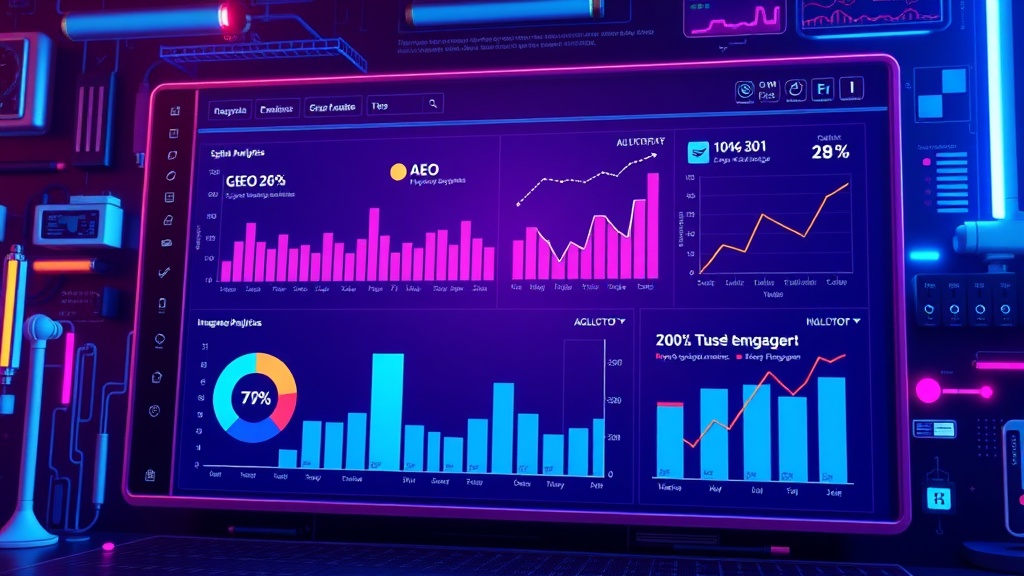
Robust Business Intelligence (BI) dashboards consolidate key operational and financial metrics into intuitive, visual representations. Platforms like Tableau, Microsoft Power BI, or Google Looker Studio provide a single pane of glass for monitoring sales pipelines, marketing campaign performance, customer retention rates, financial health, and operational efficiency. CEOs can customize these dashboards to highlight critical KPIs, setting alerts for anomalies, and gaining a comprehensive, real-time pulse on the business without sifting through myriad reports. This proactive monitoring allows for early intervention and strategic adjustments.
Machine Learning for Forecasting and Anomaly Detection
Implementing machine learning (ML) models allows for sophisticated forecasting of future trends, such as sales predictions, inventory demand, or customer churn risk. Beyond forecasting, ML algorithms excel at anomaly detection, flagging unusual patterns in operational data that might indicate system failures, security breaches, or emerging market opportunities. For instance, an ML model could analyze transaction data to identify potential fraud in real-time or predict supply chain disruptions based on geopolitical events and historical data, providing the CEO with an early warning system and reducing the stress of unforeseen challenges.
Real-time Performance Monitoring with Observability Platforms
Observability platforms, encompassing Application Performance Monitoring (APM), infrastructure monitoring, and logging solutions, provide deep visibility into the health and performance of critical business systems. Tools like Datadog, New Relic, or Splunk collect telemetry data across the entire technology stack, allowing for proactive identification and resolution of issues before they impact customers or operations. For a CEO, this means less stress about system downtime or performance degradation, as automated alerts and diagnostic tools provide immediate insights, allowing teams to address problems swiftly and efficiently without direct executive involvement.
Pillar 3: Delegating Through Intelligent Systems
The protocol extends delegation beyond human teams, integrating AI and smart systems to distribute tasks, manage projects, and streamline communications, effectively augmenting the CEO’s leadership capacity.
AI-Powered Project Management and Resource Allocation
AI-powered project management platforms, such as Asana with intelligent automation, Monday.com, or Jira with advanced roadmapping, can automate task assignments, track progress, identify bottlenecks, and even suggest optimal resource allocation based on team member skills and availability. These systems can analyze historical project data to predict timelines more accurately, automatically escalate overdue tasks, and provide comprehensive project status reports without manual aggregation. This transforms the CEO’s role from micro-manager to strategic overseer, confident that projects are advancing efficiently.
Automated Communication Workflows and Knowledge Management
Streamlining internal and external communication is vital for stress reduction. Automated communication workflows, utilizing tools like Slack with integrations, Microsoft Teams, or specialized internal comms platforms, can disseminate critical updates, gather feedback, and manage routine queries without direct CEO intervention. Furthermore, AI-powered knowledge management systems, such as Confluence with smart search or dedicated internal wikis with AI summarization, ensure that employees can find information independently, reducing the constant flow of informational requests to the executive office. Chatbots deployed internally can answer FAQs, further reducing communication overhead.
Skill-Based Task Assignment Algorithms
Intelligent algorithms can optimize task distribution by matching specific project requirements with the most suitable team members based on their documented skills, availability, and past performance. This ensures that tasks are handled by the most capable individuals, improving efficiency and reducing the need for manual delegation and oversight from the CEO. For instance, a customer support ticket requiring specific technical expertise can be automatically routed to the agent with the highest proficiency in that area, improving resolution times and customer satisfaction. This intelligent routing minimizes the risk of tasks falling through the cracks or being assigned inefficiently.
Pillar 4: Personal Productivity and Well-being Integration
The ‘Founder-First’ Protocol acknowledges that the CEO’s personal well-being is paramount for sustained organizational success. This pillar integrates tools and practices designed to automate personal organization and foster mental resilience.
Automated Time Blocking and Smart Scheduling
Advanced scheduling tools, integrated with calendars like Google Calendar or Outlook Calendar, can automate time blocking for strategic work, focus time, and personal commitments. AI-driven schedulers can analyze meeting patterns, optimize travel routes, and even suggest ideal times for high-cognitive tasks, minimizing scheduling conflicts and ensuring dedicated time for critical activities. By systematically protecting time, CEOs can reduce context switching and improve deep work focus, directly impacting productivity and reducing the feeling of being constantly overwhelmed. This includes intelligent assistants that can reschedule meetings based on priorities.
Digital Twin for Decision Simulation and Scenario Planning
A ‘digital twin’ of the business, implemented through advanced simulation software or sophisticated financial modeling platforms, allows CEOs to test strategic decisions and scenarios in a risk-free virtual environment. Before committing resources, a CEO can simulate the impact of market entry into a new segment, a major product launch, or a significant pricing change. This capability reduces the stress associated with high-stakes decisions by providing data-backed insights into potential outcomes, allowing for proactive adjustments and minimizing unforeseen risks. It’s like having a strategic sandbox for the entire enterprise.
Mindfulness and Stress Monitoring Tools
Integrating personal well-being tools within the executive’s digital ecosystem helps maintain mental equilibrium. Wearable technology combined with applications like Calm or Headspace can monitor biometric data indicative of stress levels, suggest mindfulness breaks, or provide guided meditations. Automated reminders for breaks, hydration, and movement can be integrated into the daily workflow, reinforcing healthy habits. Some advanced platforms offer ‘digital detox’ features, automatically muting non-essential notifications during designated focus or personal time, creating boundaries that protect mental space and promote recovery.
Implementing the Protocol: A Phased Approach
Adopting the ‘Founder-First’ Protocol requires a methodical, phased implementation to ensure sustainable integration and maximize impact.
Audit and Identify Core Stress Triggers
The initial phase involves a comprehensive audit of the CEO’s daily activities, recurring challenges, and common points of friction. This includes tracking time spent on various tasks, identifying bottlenecks in decision-making processes, and pinpointing areas of emotional drain. Techniques like activity logging, process mapping, and internal surveys can illuminate which tasks are most ripe for automation or systemic redesign. This diagnostic phase establishes a baseline for improvement.
Pilot Automation Initiatives with High ROI
Once stress triggers are identified, select a few high-impact, relatively simple automation projects to pilot. Focus on areas where automation can deliver quick wins in terms of time saved or stress reduced. For example, automate expense report processing, integrate CRM with marketing automation for lead nurturing, or implement an RPA bot for routine data reconciliation. These pilot projects demonstrate the protocol’s value, build internal confidence, and provide valuable lessons before scaling.
Scale and Refine Through Iterative Optimization
After successful pilots, expand the protocol’s reach, gradually integrating more sophisticated automation and intelligent systems across various departments. Establish key performance indicators (KPIs) to measure the impact of automation on efficiency, cost reduction, and, crucially, CEO well-being. Continuously gather feedback, refine automated workflows, and adapt the strategy to evolving business needs. This iterative approach ensures the protocol remains effective and aligned with the company’s growth trajectory, institutionalizing a culture of continuous improvement.
Benefits Beyond Stress Reduction: A Holistic Impact
While the primary aim of the ‘Founder-First’ Protocol is to alleviate CEO stress, its implementation yields a cascade of benefits that permeate the entire organization.
| Benefit Category | Description | Impact on CEO & Organization |
|---|---|---|
| Enhanced Operational Efficiency | Automation streamlines processes, reduces manual errors, and optimizes resource allocation. | CEO gains clarity and confidence in operations; organization achieves higher throughput and quality. |
| Improved Employee Engagement | Automation frees up employees from tedious tasks, allowing them to focus on more creative and impactful work. | CEO fosters a more motivated workforce; employees experience increased job satisfaction and skill development. |
| Accelerated Growth Potential | A less stressed, more strategic CEO can focus on innovation, market expansion, and long-term vision. | CEO drives sustainable growth; organization becomes more agile and competitive. |
| Stronger Decision-Making | Data-driven insights and predictive analytics lead to more informed and less reactive strategic choices. | CEO makes fewer costly errors; organization benefits from clearer direction and reduced risk. |
| Increased Business Resiliency | Automated systems and proactive monitoring enhance the organization’s ability to adapt to disruptions. | CEO feels secure in business continuity; organization is better prepared for market fluctuations and crises. |
Conclusion: The Transformed CEO
The ‘Founder-First’ Protocol is more than a set of technological implementations; it is a philosophy that redefines executive leadership by placing the well-being and strategic capacity of the CEO at its core. By systematically automating the underlying causes of stress – from operational minutiae to strategic uncertainty – this protocol empowers founders to transition from overwhelmed managers to visionary architects. It fosters an environment where innovation thrives, decisions are precise, and growth is sustainable, ultimately leading to a more resilient company led by a healthier, more focused, and truly impactful CEO. Embracing this protocol is not merely an investment in technology, but an investment in the future of leadership itself.