India’s digital growth narrative is increasingly shifting beyond its metropolitan centers, into the vast expanse of Tier 2 and Tier 3 cities and towns, often collectively referred to as ‘Bharat’. This demographic represents a monumental opportunity for businesses, yet it comes with its own unique set of challenges and consumer behaviors. A one-size-fits-all approach, or even a simple localized strategy, often falls short. To truly resonate with and capture the loyalty of this diverse and rapidly evolving market, a nuanced strategy of hyper-personalization is not just an advantage, but a critical imperative. It’s about understanding the subtle cultural nuances, linguistic specificities, economic realities, and digital consumption patterns that differentiate a user in Lucknow from one in Ludhiana, or a customer in Coimbatore from one in Cuttack.
Hyper-personalization for Bharat delves deep into individual preferences, employing data-driven insights to deliver highly relevant, timely, and culturally appropriate experiences. This strategy extends beyond merely translating content; it involves customizing product recommendations, communication channels, payment options, and even the user interface itself to align with the distinct ‘pulse’ of these emerging markets. By embracing this approach, businesses can forge stronger connections, build enduring trust, and unlock the immense economic potential residing within India’s heartland.
Decoding the Bharat Market Landscape
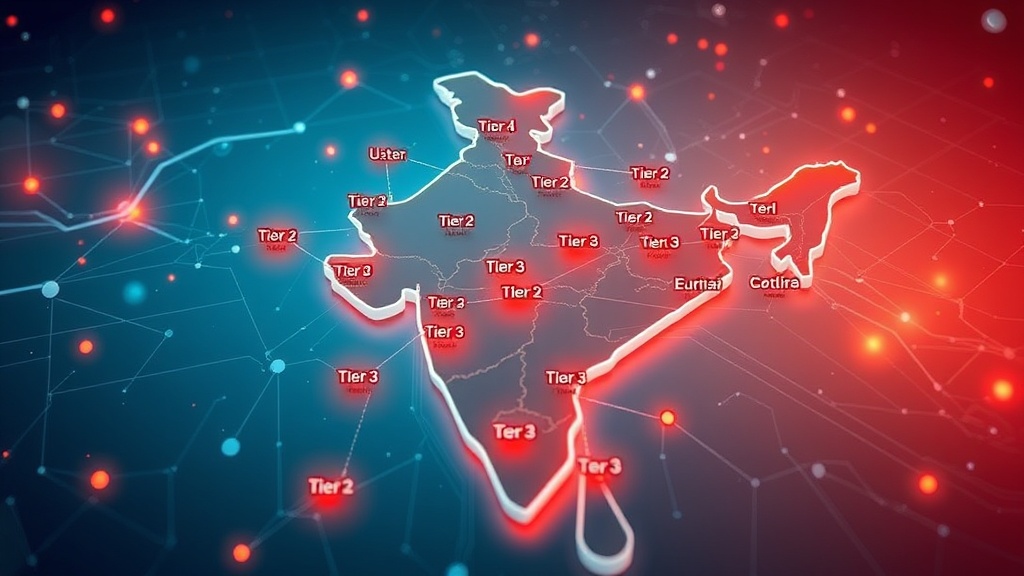
The Bharat market refers to India’s Tier 2 and Tier 3 cities and towns, characterized by evolving digital infrastructure, diverse linguistic demographics, and a growing consumer base with distinct economic and cultural nuances, offering substantial growth potential for businesses willing to adapt their strategies.
Demographic and Economic Dynamics
Tier 2 and Tier 3 cities are the engines of India’s next wave of economic growth. These regions are witnessing rapid urbanization, improving infrastructure, and increasing disposable incomes. Unlike Tier 1 metropolitan areas, which are often saturated, these markets offer relatively untapped potential. However, the economic profiles within Bharat are highly varied, with significant differences in income levels, spending patterns, and brand awareness. Consumers here often prioritize value, durability, and practicality, and their purchasing decisions are heavily influenced by community recommendations and local trust networks. Understanding these localized economic micro-climates is crucial for effective market entry and engagement.
Digital Penetration and Infrastructure Nuances
While smartphone penetration is high across Bharat, internet connectivity can be inconsistent, with varying speeds and reliability. Many users access the internet primarily through mobile devices, often on limited data plans or public Wi-Fi. This necessitates an emphasis on lightweight applications, optimized content, and offline capabilities. Digital literacy levels also vary, with a significant segment of the population being first-time internet users who may be more comfortable with visual interfaces, voice commands, and vernacular languages. Platforms that are intuitive and require minimal technical acumen tend to gain wider adoption. The prevalence of feature phones, though declining, still means a considerable portion of the population is outside the typical smartphone app ecosystem, requiring different engagement strategies like missed calls or SMS-based interactions.
The Imperative for Hyper-Personalization in Bharat
Hyper-personalization is crucial for Bharat because it moves beyond generic approaches, addressing specific linguistic, cultural, and digital nuances, thereby fostering deeper engagement, building trust, and driving conversions among diverse consumer segments who value relevance and authentic connection.
Moving Beyond Generic Localization
Traditional localization often involves mere translation of content or superficial cultural references. For Bharat, this is insufficient. Hyper-personalization demands a deeper understanding, moving from ‘what’ to ‘why’. It recognizes that a festive offer for Diwali in Uttar Pradesh might need different imagery and messaging than one for Onam in Kerala. It understands that ‘value’ can mean different things in different economic strata. Generic localization fails to capture these granular distinctions, leading to messages that feel inauthentic or irrelevant. Businesses must transition from broad demographic targeting to individual-level prediction and tailored experiences, acknowledging the heterogeneity within the Bharat market.
Building Trust and Resonance
Trust is a cornerstone of commerce in Tier 2/3 markets. Consumers are often wary of unknown brands or online transactions, preferring recommendations from trusted sources or familiar local entities. Hyper-personalization builds trust by demonstrating an understanding of the individual’s context, language, and specific needs. When an advertisement, product recommendation, or customer service interaction feels directly relevant and addresses a genuine pain point, it resonates deeply. This resonance transforms transactional interactions into meaningful relationships, fostering brand loyalty and word-of-mouth advocacy, which are incredibly powerful in these community-driven markets. For example, localizing payment options to include Cash on Delivery or supporting Unified Payments Interface, widely adopted in India, helps build trust by aligning with consumer preferences.
Pillars of Hyper-Personalization Strategy for Tier 2/3
Successful hyper-personalization in Bharat hinges on several key pillars including deep vernacular content, culturally resonant contextualization, device-specific optimization, and adaptation of trusted payment methods and customer support to align with local preferences and infrastructure.
Vernacular Content and Multilingual Interfaces
Language is perhaps the most critical barrier and opportunity in Bharat. India has over 22 official languages, with hundreds of dialects. Delivering content and user interfaces in local languages is non-negotiable. This extends beyond simple translation to transcreation, ensuring that idioms, humor, and cultural references are appropriate and impactful. Voice-based search and interaction in vernacular languages are also gaining immense traction, especially among users with lower digital literacy. Platforms must invest in Natural Language Processing capabilities for various Indian languages to facilitate seamless communication and content discovery. The goal is to make the digital experience as comfortable and familiar as a conversation with a trusted local vendor.
Contextual Relevance and Cultural Sensitivity
Hyper-personalization thrives on context. This means understanding local festivals, regional events, specific agricultural cycles, or even local news and integrating these elements into marketing campaigns and product offerings. For instance, promoting specific agricultural tools during planting season in a farming community, or offering festive discounts tailored to specific regional celebrations. Cultural sensitivity is paramount; what might be acceptable in one region could be offensive in another. Brands must employ local teams or leverage granular psychographic segmentation data to ensure their messaging is always respectful, relevant, and timely, reflecting the local ethos rather than imposing a national or global one.
Device and Connectivity Optimization
Given the prevalence of mobile-first users and often fluctuating internet connectivity, optimizing for diverse device types and network conditions is crucial. This includes designing responsive websites and applications that consume minimal data, offering offline modes for content consumption, and ensuring fast loading times even on 2G/3G networks. Progressive Web Apps (PWAs) can be particularly effective. The user interface must be intuitive, potentially featuring larger fonts, clearer navigation, and prominent calls to action, catering to users who may not be accustomed to complex digital environments. Prioritizing accessibility and ease of use over feature richness can significantly enhance adoption.
Payment Gateway and Trust Mechanism Adaptation
Payment preferences vary significantly. While digital payments like Unified Payments Interface (UPI) have seen massive adoption, Cash on Delivery (COD) remains a preferred option for many, especially for first-time online shoppers or those concerned about digital security. Integrating a wide array of payment options, including local digital wallets and micro-lending solutions, is vital. Furthermore, trust-building mechanisms such as visible customer reviews from local users, celebrity endorsements popular in the region, easy return policies, and responsive local language customer support through channels like WhatsApp or local helplines, are critical to converting interest into transactions and building long-term loyalty.
Leveraging Data and Technology for Precision
Precision hyper-personalization in Bharat relies on advanced data analytics, AI, and Machine Learning to process diverse datasets, generate actionable insights into individual preferences, and dynamically deliver tailored content and experiences across various touchpoints and devices.
Customer Data Platforms and Unified Profiles
At the heart of hyper-personalization lies robust data management. Customer Data Platforms (CDPs) are essential for aggregating disparate customer data from various sources – transactional data, behavioral data, demographic data, and contextual data – into a single, unified customer profile. For Bharat, this means capturing data from diverse touchpoints, including offline interactions, local language search queries, specific geographic data, and preferences for local festivals. A unified profile allows businesses to gain a holistic view of each customer, enabling more intelligent segmentation and activation. Data locality considerations and compliance with data privacy regulations are also paramount, particularly for sensitive personal information.
Artificial Intelligence and Machine Learning for Insights
Artificial Intelligence (AI) and Machine Learning (ML) algorithms are the analytical engines that power hyper-personalization. They analyze vast quantities of data to identify patterns, predict future behaviors, and recommend the most relevant products, services, or content. For Bharat, this involves training models on regional datasets, incorporating Natural Language Processing for Indian languages, and recognizing subtle cultural cues. Predictive analytics can anticipate needs, while recommendation engines can dynamically suggest items based on past purchases, browsing history, and similar customer profiles within a specific region. This algorithmic precision moves beyond rule-based personalization to deliver truly individualized experiences at scale.
Real-time Analytics and Dynamic Content Delivery
The ability to analyze customer behavior in real time and dynamically adjust content is crucial for capturing fleeting moments of intent. Real-time analytics platforms monitor interactions as they happen, allowing for immediate personalization of website content, app experiences, push notifications, and advertising. For instance, if a user from a Tier 3 city searches for ‘affordable smartphones’, the system can immediately serve localized results, highlighting models available in their region, showcasing local retailer reviews, and offering relevant payment options. Dynamic content delivery ensures that every interaction is fresh, relevant, and impactful, adapting to the user’s immediate context, device, and network conditions.
Strategic Implementation and Measurement
Implementing hyper-personalization in Bharat requires a strategic, phased approach, starting with pilot programs, iterating based on local feedback, and meticulously measuring performance against specific Key Performance Indicators aligned with regional market dynamics and growth objectives.
Phased Rollouts and A/B Testing
Given the complexity and diversity of the Bharat market, a ‘big bang’ approach to hyper-personalization is ill-advised. Instead, businesses should adopt phased rollouts, starting with specific regions or customer segments. This allows for controlled experimentation and learning. Rigorous A/B testing of different personalized messages, offers, and user interfaces is critical to understanding what resonates most effectively with local audiences. Continuous iteration based on empirical data ensures that personalization efforts are constantly refined and optimized. This agile approach minimizes risk and maximizes the chances of achieving true market fit.
Local Partnerships and Community Engagement
Building trust and relevance often requires local expertise. Collaborating with local businesses, micro-influencers, and community leaders can provide invaluable insights and credibility. These partnerships can help in understanding grassroots sentiments, validating product-market fit, and facilitating hyper-local logistics. Engaging with communities through local events, sponsorship, or culturally relevant campaigns can also foster a sense of belonging and brand affinity. For example, partnering with local Kirana stores for last-mile delivery or establishing local service centers can significantly enhance customer experience and trust, especially in areas with nascent digital infrastructure.
Key Performance Indicators for Bharat Markets
Measuring the success of hyper-personalization in Bharat requires defining relevant Key Performance Indicators (KPIs) beyond standard e-commerce metrics. These might include: customer acquisition cost in specific Tier 2/3 cities, vernacular content engagement rates, repeat purchase rates among localized segments, average order value for specific regional product bundles, or the effectiveness of localized payment options in reducing cart abandonment. Furthermore, qualitative feedback through local surveys and focus groups is crucial to gauge brand perception and trust. A balanced scorecard incorporating both quantitative and qualitative metrics provides a comprehensive view of impact.
The journey into the Bharat market is not merely about expanding geographical reach; it’s about deeply understanding and respectfully engaging with a diverse tapestry of cultures, languages, and aspirations. Hyper-personalization offers the definitive pathway to unlock this potential. By leveraging sophisticated data analytics, AI-driven insights, and a profound commitment to cultural and linguistic authenticity, businesses can move beyond transactional interactions to build meaningful, enduring relationships with millions of consumers in India’s Tier 2 and Tier 3 cities. The ‘Bharat’ pulse is strong and resonant, waiting for brands to listen, adapt, and personalize their way to unprecedented success.