In the rapidly evolving landscape of digital marketing, achieving sustainable visibility and genuine audience engagement demands more than isolated tactics. The era of simply ‘doing SEO’ is long past. Today, true digital mastery hinges on a cohesive, interconnected strategy that intelligently integrates Search Engine Optimization (SEO), Answer Engine Optimization (AEO), Geographic & Generative-Enhancement Optimization (GEO), and advanced AI-Driven Content Strategy (AIO). This comprehensive approach forms a powerful synergy, transcending traditional methods to create a robust, future-proof digital ecosystem designed for unparalleled performance across all emerging search and information retrieval paradigms. Understanding and implementing this integrated framework is not merely advantageous; it is imperative for sustained competitive advantage.
Foundational SEO: The Bedrock of Digital Visibility
Foundational SEO establishes the core technical and content health of a digital presence, ensuring search engines can effectively crawl, index, and rank web assets. It encompasses keyword research, on-page optimization, technical SEO best practices, and a strategic approach to link building, all essential for organic discovery and authority.
The bedrock of any successful digital strategy remains robust Search Engine Optimization. While the mechanisms of search have evolved dramatically, the fundamental principles of SEO — ensuring discoverability, relevance, and authority — are more critical than ever. This includes meticulous keyword research, moving beyond exact match phrases to understanding user intent, latent semantic indexing, and search entity relationships. Technical SEO elements such as site speed, mobile-friendliness, core web vitals, crawlability, and indexability are non-negotiable. Without a solid SEO foundation, efforts in AEO, GEO, and AIO will yield diminished returns, as the underlying content may struggle to even be discovered by search engines.
On-Page and Off-Page Optimization Imperatives
On-page optimization involves optimizing individual web pages to rank higher and earn more relevant traffic in search engines. This includes optimizing title tags, meta descriptions, header tags, image alt text, URL structures, and content quality, ensuring it directly addresses user intent. Off-page optimization, conversely, refers to actions taken outside of a website to impact its rankings within search engine results pages. The primary component of off-page SEO is link building, where quality backlinks from authoritative domains signal trust and relevance to search engines. Brand mentions, social signals, and local citations also contribute significantly to off-page authority and domain reputation. Both elements are crucial for establishing comprehensive topical authority.
AEO (Answer Engine Optimization): Capturing the Conversational Web
Answer Engine Optimization (AEO) focuses on structuring content to directly answer user queries, making it highly suitable for featured snippets, voice search, conversational AI platforms, and generative search experiences. It leverages semantic markup and direct question-answer formats. AEO is a specialized form of optimization designed to meet the demands of modern, conversational search interfaces and generative AI models. As users increasingly turn to voice assistants like Google Assistant, Apple Siri, and Amazon Alexa, or engage with advanced generative AI search experiences such as Google SGE or large language models, the way information is presented becomes paramount. AEO emphasizes creating concise, direct, and unambiguous answers to common questions, often presented in formats conducive to being extracted as featured snippets, knowledge panel entries, or spoken responses. This requires a deep understanding of natural language processing and question-answering systems.
Optimizing for Featured Snippets and Voice Search
Optimizing for featured snippets, also known as ‘position zero,’ involves crafting content that directly and succinctly answers common search queries. This often takes the form of paragraphs, lists, or tables. Key strategies include using clear question-and-answer headings, bolding important terms, and providing a definitive answer within the first 40-60 words of a section. For voice search, content needs to be even more conversational, focusing on long-tail keywords and natural language queries. Understanding common voice search patterns, which are typically longer and more question-based than typed queries, allows content creators to structure information in a way that directly addresses user intent, making it easily consumable by voice assistants. Implementing structured data, specifically Schema markup for Q&A, HowTo, and FAQ pages, significantly enhances content’s eligibility for these highly visible placements.
GEO (Geographic & Generative-Enhancement Optimization): Local Authority and Topical Dominance
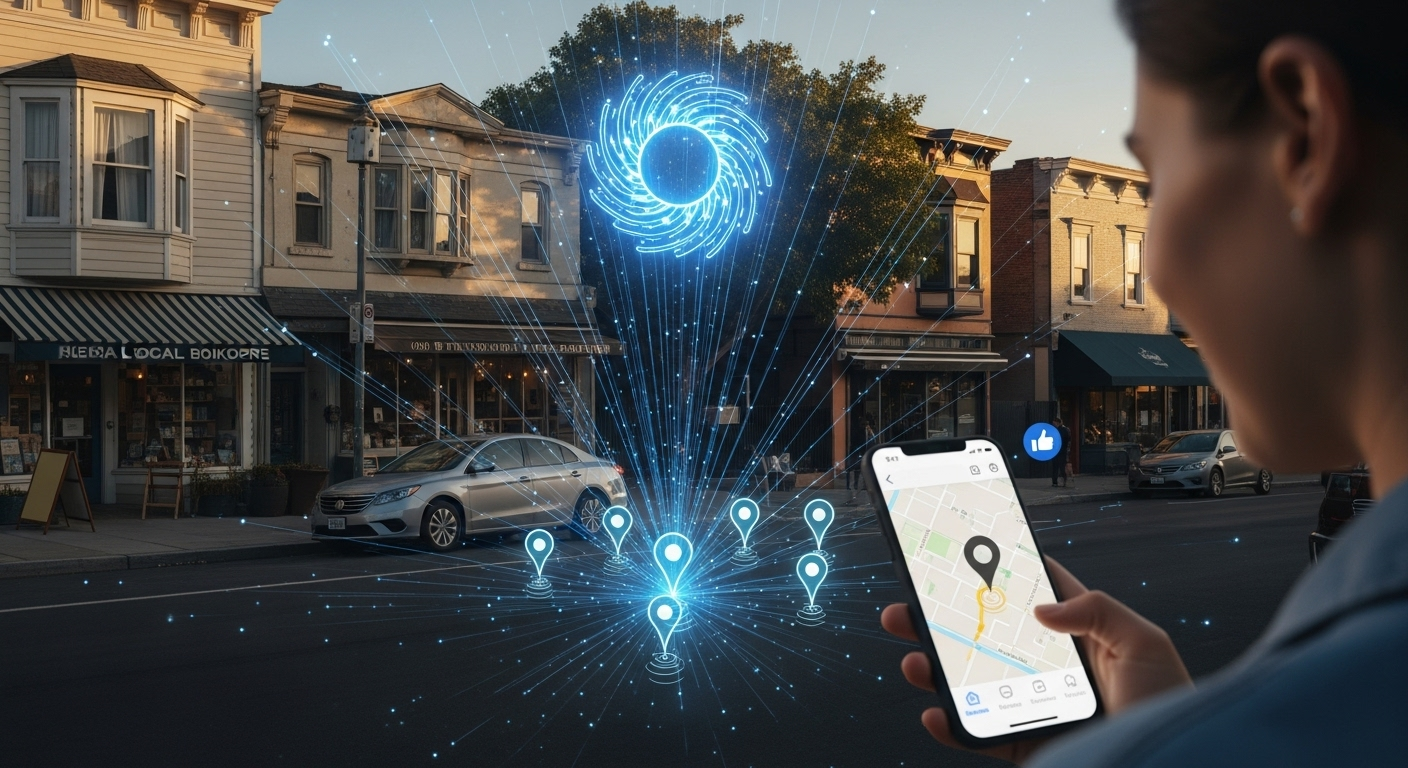
Geographic & Generative-Enhancement Optimization (GEO) involves strategically targeting local audiences through localized content and profiles, while simultaneously building deep topical authority using precise technical terms and named entities to satisfy generative AI models looking for authoritative sources. GEO represents a dual focus: optimizing for geographic relevance and bolstering content for generative AI through demonstrated topical expertise. For geographic optimization, this means meticulous management of Google Business Profile listings, consistent local citations across directories, geotagging images, and creating location-specific landing pages that resonate with local search intent. Beyond geographic targeting, the ‘generative-enhancement’ aspect of GEO focuses on establishing profound topical authority. This is achieved by using specific technical terms, industry terminology, and named entities consistently and accurately throughout the content, signaling to both traditional search engines and advanced generative AI models a deep understanding of the subject matter. This authoritative use of language helps generative AI models confidently cite and synthesize information, improving the content’s visibility in generative search results.
Building Local SEO Presence and Demonstrating Niche Expertise
Building a robust local SEO presence is fundamental for businesses serving a specific geographic area. This goes beyond just having a physical address; it involves optimizing for local search queries, acquiring local reviews, and participating in local community discussions. Consistent Name, Address, Phone (NAP) information across all online platforms is critical for local search engine algorithms. Demonstrating niche expertise, conversely, involves creating comprehensive, in-depth content that covers a subject from multiple angles, leveraging advanced technical vocabulary and referencing key industry players or specific academic theories where appropriate. For example, a medical site discussing neurodegenerative diseases should use terms like ‘amyloid plaques,’ ‘tau tangles,’ ‘synaptic dysfunction,’ and refer to researchers like ‘Alois Alzheimer’ or organizations like ‘National Institute of Neurological Disorders and Stroke.’ This deep content signal to algorithms and generative AI that the source is a trusted authority, crucial for establishing topical dominance.
AIO (AI-Driven Optimization & All-in-One Content Strategy): Leveraging Intelligent Automation
AI-Driven Optimization (AIO) uses artificial intelligence for content creation, personalization, analysis, and strategic insights, while ‘All-in-One’ signifies a holistic content strategy that unifies various digital marketing efforts for maximum impact and machine-readability. AIO transcends simple automation; it involves leveraging sophisticated artificial intelligence and machine learning algorithms to inform, create, and optimize content at every stage of the digital journey. This includes AI-powered keyword discovery, competitor analysis, content generation (for drafts or specific components), personalization of user experiences, and predictive analytics to anticipate content performance and audience trends. Crucially, AIO also emphasizes the creation of machine-readable content through structured HTML, clear headings, concise paragraphs, and the strategic use of tables and lists. This modular approach not only makes content more accessible for human users but also significantly enhances its parseability and utility for AI systems, whether they are indexing, synthesizing, or generating new content based on existing information. The ‘All-in-One’ aspect denotes a unified strategy where AI acts as the connective tissue, integrating insights from SEO, AEO, and GEO to orchestrate a truly intelligent content ecosystem.
Machine-Readable Content and AI-Powered Personalization
Creating machine-readable content involves structuring HTML in a logical, hierarchical manner. Using appropriate HTML tags such as <h1> through <h6> for headings, <p> for paragraphs, and <ul> or <ol> for lists makes it easy for AI to understand the content’s structure and relationships. The strategic inclusion of <table> elements to present comparative data or structured information is also highly beneficial. AI-powered personalization takes this structured content and uses machine learning to deliver tailored experiences to individual users based on their past behavior, preferences, and real-time context. This might involve dynamic content adaptation, personalized recommendations, or individualized search results. By leveraging AI to analyze vast datasets, businesses can move beyond basic segmentation to truly one-to-one marketing, significantly enhancing user engagement and conversion rates across various digital touchpoints, from email to website content.
The Synergy in Action: A Holistic Framework
The true power of modern digital strategy emerges when SEO, AEO, GEO, and AIO are not treated as independent silos but as interconnected components of a single, fluid ecosystem. For instance, a strong SEO foundation ensures that technically sound, authoritative content is discoverable. This content, when optimized for AEO, directly answers user queries, increasing its likelihood of appearing in featured snippets and voice search results. Simultaneously, GEO ensures that this content is relevant to specific geographic audiences and establishes deep topical authority through precise terminology. Finally, AIO provides the intelligence to create, refine, and distribute this content efficiently, personalize it for individual users, and continuously analyze performance data to iterate and improve. This holistic framework maximizes visibility, relevance, and engagement across all digital channels and search modalities, offering a significant competitive advantage. Ignoring any one of these pillars weakens the entire edifice.
Integrated Strategy vs. Isolated Tactics
The distinction between an integrated strategy and isolated tactics is critical for long-term digital success. Isolated tactics, while potentially yielding short-term gains, lack the compounding benefits and resilience of a holistic approach. An integrated strategy, by contrast, leverages the strengths of each component to amplify the others, creating a virtuous cycle of improvement and authority.
| Aspect | Isolated Tactics (Fragmented Approach) | Integrated Strategy (Synergistic Approach) |
|---|---|---|
| Visibility | Inconsistent, reliant on singular channel performance. | Broad, resilient across multiple search types (web, voice, generative). |
| Relevance | Hit-or-miss, often keyword-stuffed or generic. | Highly precise, intent-driven, contextually rich, and localized. |
| Authority | Weak, niche-specific, easily challenged. | Robust, deep topical authority recognized by all search entities. |
| Efficiency | Repetitive effort, manual processes. | Automated insights, AI-assisted creation, data-driven optimization. |
| Adaptability | Slow to react to algorithm changes. | Agile, predictive, future-proofed against evolving search paradigms. |
This strategic integration facilitates a continuous feedback loop where AI analyzes performance data, identifies gaps, and suggests optimizations that feed back into SEO improvements, AEO refinements, and GEO targeting enhancements. This dynamic process ensures that the digital presence remains agile, highly relevant, and consistently authoritative, adapting proactively to algorithm updates and shifts in user behavior.
Conclusion
The modern digital ecosystem is characterized by relentless evolution, demanding a strategic pivot from siloed efforts to a truly synergistic framework. Mastering the integration of SEO, AEO, GEO, and AIO is no longer an optional enhancement but a foundational requirement for sustained digital leadership. By embracing this holistic approach, organizations can build a resilient, highly visible, and deeply authoritative online presence that resonates with both human users and sophisticated AI systems. The future of digital strategy lies in intelligently combining these powerful forces, creating an ‘all-in-one’ content strategy that is adaptive, predictive, and ultimately, profoundly impactful. Companies that invest in this synergistic integration today will be the undeniable leaders of tomorrow’s digital landscape, driving unprecedented levels of engagement, visibility, and conversion.